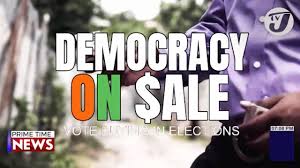
KINGSTON, JAMAICA — It began as a hushed conversation, a simple J$50,000 offer for a voter in West Central St. James to “stay home.” But that single, reported act of vote buying has unmasked a much larger crisis, as allegations of electoral fraud, intimidation, and political manipulation now echo across Jamaica.
In a bombshell broadcast from seasoned journalist Cliff Hughes on Nationwide News Network on September 2, 2025, a litany of concerning reports came to light. The claims included not only direct monetary offers but also reports of voters in St. Elizabeth being told that a particular candidate had “already won,” a tactic designed to suppress the vote by convincing people their ballot would be meaningless.
The reports also detail what sources describe as a sophisticated operation in the East of the island, where millions of dollars were allegedly spent to influence voter turnout in key “marginal seats.” The ethical dilemma for many citizens was captured in one stark piece of advice: “take the money but follow their conscience.”
These ground-level reports have now spilled into the formal political arena, igniting a war of words between the country’s two major parties.
A Political Showdown
The People’s National Party (PNP) has officially alleged that voter suppression contributed to the low voter turnout in the recent General Election. According to a Jamaica Observer report, PNP General Secretary Dayton Campbell offered a series of examples, including an indoor agent being offered money not to work and voters being told to line up based on their perceived political loyalties.
In a fiery response, the Jamaica Labour Party (JLP) “slammed” the PNP’s claims, demanding they produce concrete evidence. In an article from the Jamaica Observer, the JLP accused the opposition of engaging in “political mischief” and attempting to cast a shadow on the electoral process without providing verifiable facts.
The bitter back-and-forth highlights a persistent issue that has long plagued Jamaican politics. While the JLP demands proof, an unverified counter-allegation has been made that a “majority of the PNP’s votes were bought,” underscoring the bipartisan nature of these accusations.
Under the Representation of the People Act, any act of vote buying or undue influence is a serious offense punishable by fines and imprisonment. As the formal investigation process continues, the shadow of these allegations looms large over Jamaica’s democracy, leaving citizens to question the integrity of their most fundamental right.
 The Daily Prism
Leave a comment