KINGSTON, JAMAICA — The People’s National Party (PNP) candidate for West Central St. Andrew, Paul Buchanan, has taken the first step in a legal challenge to the results of the September 3rd general election. Buchanan’s campaign has filed an application with the Constituted Authority to have the poll in the constituency voided, citing widespread irregularities.
The media release from the PNP, dated September 18, outlines several issues as the basis for the application. These include allegations of intimidation and violence in the Olympic Gardens and Molynes Gardens polling divisions, the late opening of polling stations at Seaward Primary School, and irregularities in the transportation of 18 ballot boxes from that location. The release also claims that electronic voter verification systems were non-functional, leading to voter suppression.
However, a check with key officials and a review of the legal process confirm the status of the matter. A source at the Electoral Commission of Jamaica (ECJ), who requested anonymity due to the sensitive nature of the issue, stated that the ECJ has not yet been formally notified of any legal action.
In a similar vein, the Jamaica Labour Party (JLP) has confirmed it has not been served with any legal documents regarding a petition. When reached for comment, a representative from the JLP’s office stated, “no sir [we] don’t get that as yet.”
This is consistent with the legal process for an election petition. A petition is not officially filed with the court until the Constituted Authority, the body that receives Buchanan’s application, decides to forward it. This is a crucial distinction that explains why a formal case number is not yet available and why parties have not been served.
The media release from the PNP’s media unit did not list the name of any attorney or law firm associated with the filing, which is an unusual detail for a legal action of this nature. The Constituted Authority has two weeks from the filing date to review the application and make a decision on whether to send the matter to the Election Court.
KINGSTON, JAMAICA — It began as a hushed conversation, a simple J$50,000 offer for a voter in West Central St. James to “stay home.” But that single, reported act of vote buying has unmasked a much larger crisis, as allegations of electoral fraud, intimidation, and political manipulation now echo across Jamaica.
In a bombshell broadcast from seasoned journalist Cliff Hughes on Nationwide News Network on September 2, 2025, a litany of concerning reports came to light. The claims included not only direct monetary offers but also reports of voters in St. Elizabeth being told that a particular candidate had “already won,” a tactic designed to suppress the vote by convincing people their ballot would be meaningless.
The reports also detail what sources describe as a sophisticated operation in the East of the island, where millions of dollars were allegedly spent to influence voter turnout in key “marginal seats.” The ethical dilemma for many citizens was captured in one stark piece of advice: “take the money but follow their conscience.”
These ground-level reports have now spilled into the formal political arena, igniting a war of words between the country’s two major parties.
A Political Showdown
The People’s National Party (PNP) has officially alleged that voter suppression contributed to the low voter turnout in the recent General Election. According to a Jamaica Observer report, PNP General Secretary Dayton Campbell offered a series of examples, including an indoor agent being offered money not to work and voters being told to line up based on their perceived political loyalties.
In a fiery response, the Jamaica Labour Party (JLP) “slammed” the PNP’s claims, demanding they produce concrete evidence. In an article from the Jamaica Observer, the JLP accused the opposition of engaging in “political mischief” and attempting to cast a shadow on the electoral process without providing verifiable facts.
The bitter back-and-forth highlights a persistent issue that has long plagued Jamaican politics. While the JLP demands proof, an unverified counter-allegation has been made that a “majority of the PNP’s votes were bought,” underscoring the bipartisan nature of these accusations.
Under the Representation of the People Act, any act of vote buying or undue influence is a serious offense punishable by fines and imprisonment. As the formal investigation process continues, the shadow of these allegations looms large over Jamaica’s democracy, leaving citizens to question the integrity of their most fundamental right.
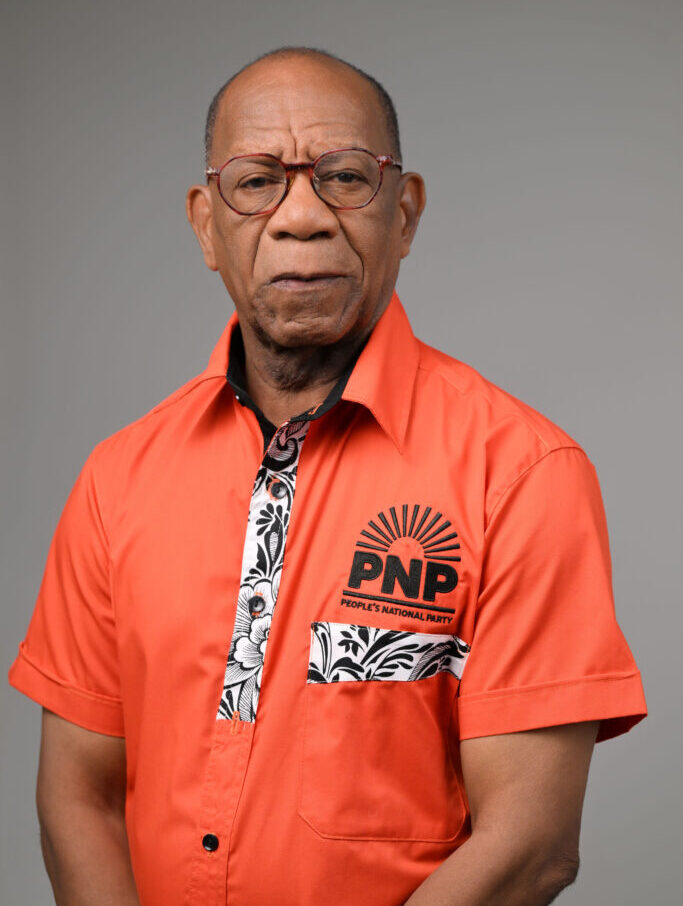
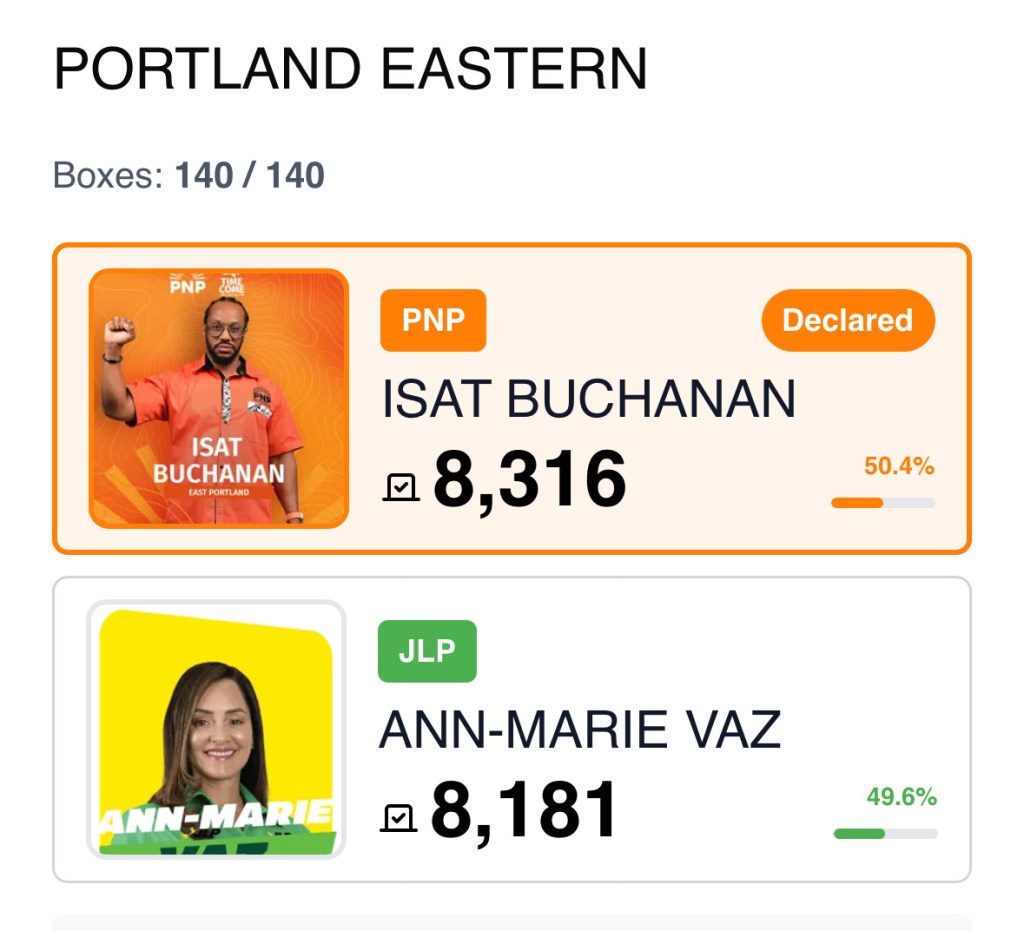
In a stunning political upset that has resonated across the island, Ann Marie Vaz, the Jamaica Labour Party (JLP) Member of Parliament for Portland Eastern, was unseated by People’s National Party (PNP) newcomer and prominent attorney, Isat Buchanan, in the 2025 general election. The defeat hands the PNP a key constituency and sends shockwaves through a community that widely viewed Vaz as a diligent and effective representative.
The official election results confirmed the victory for Buchanan, turning what many considered a secure JLP seat into a decisive win for the PNP. The outcome is a bitter blow for Vaz, who was lauded by many of her constituents for her hands-on approach and visible community projects, earning her a reputation as a “hardworking MP.”
The Official Post-Mortem: A Failure of Numbers
In a recent interview with TVJ, Ann Marie Vaz’s husband, Daryl Vaz, provided a candid analysis of his wife’s unexpected defeat. He stated that politics is about numbers and getting out the vote on election day. He revealed that in a review of the results, her strongest division, Montlee, only yielded a lead of 325 votes. According to him, that same division had produced a lead of between 600 and 800 votes in the three previous elections since 2019.
Vaz acknowledged the Port Antonio and Prospect divisions as traditional PNP strongholds, but he avoided assigning direct blame for the low turnout in JLP support bases. “I don’t want to ascribe blame to why the votes never came out from the JLP strong support divisions, who did what and whatever happen,” he said. He concluded that “politics is about numbers,” and if their numbers had come out, they would have been victorious. In a powerful statement, he asserted that “they lost the seat, PNP didn’t win it.” He confirmed that Ann Marie is disappointed given the hard work she put in.
A Public Farewell: Ann Marie Vaz’s Statement
Following the loss, Ann Marie Vaz took to her Instagram account to address her constituents. She thanked her “EastPortland family for putting your trust in me over the last 6 years.” She affirmed that the constituency is her home and that she is “confident and proud to say that I gave it my all each and every day.”
Vaz reflected on her time in office, stating, “I saw the struggles, and understood them first hand. I worked hard to improve the lives of each and every person in this constituency – to make it the absolute best it could be.” She concluded her message by accepting the result: “Although this is not the result we hoped for the people have made their choice and I accept that. I am grateful for my time spent serving you in #EastPortland.”
The Impact of a National Campaign and Local Rumors
While supporters point to Vaz’s tangible work in the constituency, a different narrative was circulating on the ground. A key element of the PNP’s campaign were widespread rumors and allegations that struck a chord with voters’ deep-seated concerns.
The most prominent of these was the claim that Vaz intended to privatize Boston Beach. This allegation resonated powerfully due to the sensitive issue of public beach access in Jamaica. Compounding the issue, a fee was charged to enter the beach, and our research has uncovered that the local concessioner for the public beach is Colin Bell, who was the official PNP caretaker for the Eastern Portland constituency until his resignation in September 2024. This created a clear political conflict of interest. The rumor served as a potent political weapon for the opposition, positioning the PNP as the defenders of a beloved public space and fueling public fear.
The Voice from a Local Resident
The impact of this campaign is best understood through the words of the very people it affected. A long-term resident of Eastern Portland, whose voice was captured in a widely circulated video, offered a candid assessment of the outcome.
The speaker acknowledged the result by stating, “I respect the electoral process, while there are issues that is for the legal heads to deal with.” She continued, saying she would “not say nothing negative about Isat, because Isat did what he have to do to win because a suh election goes.” The resident’s voice gave credence to the rumors and allegations, adding, “Isat told lies and who collect money from him it work for him.”
The resident also offered a glimpse into the local sentiment surrounding Vaz’s defeat, saying, “I don’t understand it…Ann Marie was always here. She was building, she was helping. This is a big loss for the people of Portland Eastern.” She went on to state that the low turnout at a key meeting showed a lack of support, saying, “if it was give away a lot of people would be there.”
The resident’s deepest feelings were reserved for Vaz, whom she praised for her non-partisan work. Comparing Vaz to previous MPs, the speaker said Vaz “came work hard and help everyone regardless of PNP or JLP,” suggesting a selfless approach to leadership that voters ultimately did not reward.
The polls have officially closed across Jamaica’s 63 constituencies, and the counting of ballots is now underway. Here are the latest updates as of 5:53 PM:
Polls Closed: All polling stations, which opened at 7:00 AM, have now closed to voters.
Counting Underway: Electoral officials are in the process of tallying votes to determine the results of this closely watched election.
Voter Turnout: While official numbers have not yet been released, anecdotal reports suggest a turnout similar to the last general election. The final turnout percentage will be announced later.
Key Races to Watch: All eyes are on the marginal seats, which are expected to decide the outcome of the election. Both the JLP and PNP are confident of victory.
What’s Next? We will continue to bring you results as they are released by the Electoral Office of Jamaica (EOJ). Stay tuned for the first official counts and projections.
Final Results: Jamaica Labour Party Secures Victory in 2025 General Election
September 3, 2025
With all ballot boxes now fully counted across the country, the Jamaica Labour Party (JLP) has won the 2025 General Election. The final results show the JLP securing a clear majority of the seats in the House of Representatives.
Final Seat Count
Jamaica Labour Party (JLP): 34 seats
People’s National Party (PNP): 29 seats
Other/Independent: 0 seats
Key Constituency Outcomes
The final count confirmed the victories of several key candidates and constituencies. The race in St. Andrew West Central saw a significant final-hour swing, with JLP leader Andrew Michael Holness retaining his seat with 7,054 votes to the PNP’s 4,953. This victory is crucial for his continued leadership and for the JLP’s overall majority.
The PNP was able to secure key victories in several close races, including Kingston Central, St. James Southern, and Hanover Western. Despite these wins, the PNP was unable to overcome the JLP’s strong showing in constituencies like St. Andrew East Central and St. Thomas Eastern, where the JLP candidates successfully held off late challenges.
The election saw a number of constituencies with very high voter turnout, indicating strong public engagement, while others showed lower participation. The final results confirm the JLP’s mandate to form the next government.
Conclusion
With all votes officially tallied, the Jamaica Labour Party has won the 2025 General Election, confirming its victory with 36 seats. The results show a competitive election with significant swings in key constituencies, ultimately resulting in a clear majority for the JLP.
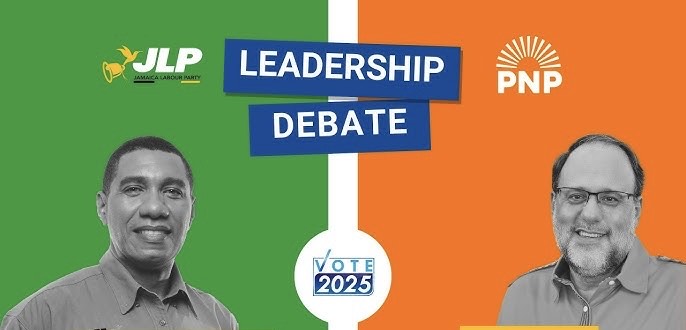
In a high-stakes political showdown, Prime Minister Andrew Holness and Opposition Leader Mark Golding engaged in a debate that went beyond policy, delving into personal history and political trust. A “Daily Prism” fact-check reveals a complex exchange where both leaders relied on a mix of verifiable facts and strategic rhetoric.
Section 1: The Economy and Fiscal Policy
The debate on the economy was a clash of numbers. Mark Golding argued that the country’s debt-to-GDP ratio had fallen to 62%, a figure supported by the updated national accounts. He presented his party’s tax plan as a way to use that fiscal space to provide relief. Andrew Holness countered that the debt projection for the current fiscal year was a more accurate 65% and accused the PNP of proposing an unsustainable plan that would compromise fiscal arrangements. Our investigation found that both leaders’ numbers were factually correct but were used selectively to support their respective positions.
Section 2: Constitutional Reform and Sovereignty
This was the most personal part of the debate. The issue of Golding’s dual British and Jamaican citizenship became a central line of attack for Holness, who questioned his patriotism. Golding responded by publicly displaying his Jamaican birth certificate, a powerful symbolic act. Our investigation further verified a key piece of information: a photo of Golding’s Jamaican passport shows an issue date of May 11, 2013, when he was 47 years old and a minister in the government. This provided a factual basis for Holness’s claim that Golding’s patriotism was a matter of conscious “choice” rather than birth.
In return, Golding challenged Holness on his personal appointment to the UK’s Privy Council, a fact we have verified. This highlighted a key contradiction in the government’s phased approach to constitutional reform, which seeks to remove the British monarch as head of state while leaving the Privy Council as the final court of appeal for the time being.
Section 3: Crime and Public Security
Both leaders used crime statistics to their political advantage. Golding claimed that murders had increased under the current administration, a factual overstatement. Holness, in turn, highlighted a decline in the overall murder rate, a verifiable fact. However, our investigation confirmed that there has been an alarming increase in fatal police shootings, a point that gave weight to Golding’s call for greater accountability.
On the issue of body-worn cameras, Holness claimed his administration was procuring thousands of them, a verifiable fact. Golding countered by pointing to the long-standing delays in the program’s full implementation.
Section 4: Press Freedom and Accountability
The debate over press freedom revealed a complex situation with blame on both sides. Holness accused the PNP of being the sole party to object to journalists. Our investigation found that while the PNP did officially object to specific journalists, Golding also revealed that the JLP had also objected to journalists during the debate negotiations. Both parties’ actions have been criticized by the Press Association of Jamaica.
In a separate instance, Holness made an unverified claim that the head of the Financial Investigations Division (FID) was a “friend” of Mark Golding. Our investigation found no public record to support this.
Section 5: Disability Rights and Social Policy
This part of the debate revealed a consensus on a key policy issue. Golding, drawing on his family’s legacy in disability advocacy, committed to implementing the policy of reserving a percentage of public sector jobs for persons with disabilities. Holness, in his response, also pledged to issue a formal directive to ministries to ensure this happens.
Final Verdict: A Clash, Not a Knockout
This debate was a multifaceted exchange where both leaders had moments of strength and weakness. It was not a clear victory for either side but a battle fought with a combination of verifiable facts and strategic political framing. The ultimate judgment on who “won” is left to the Jamaican people.
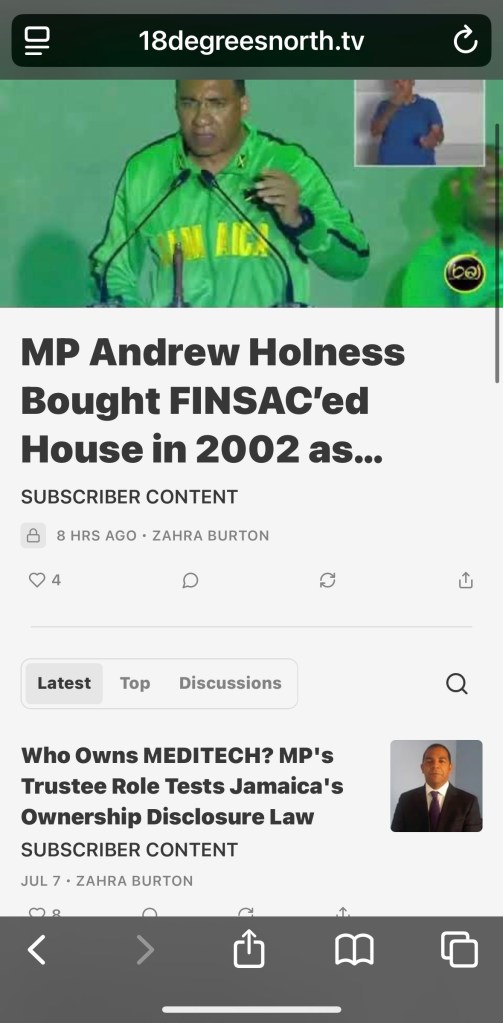
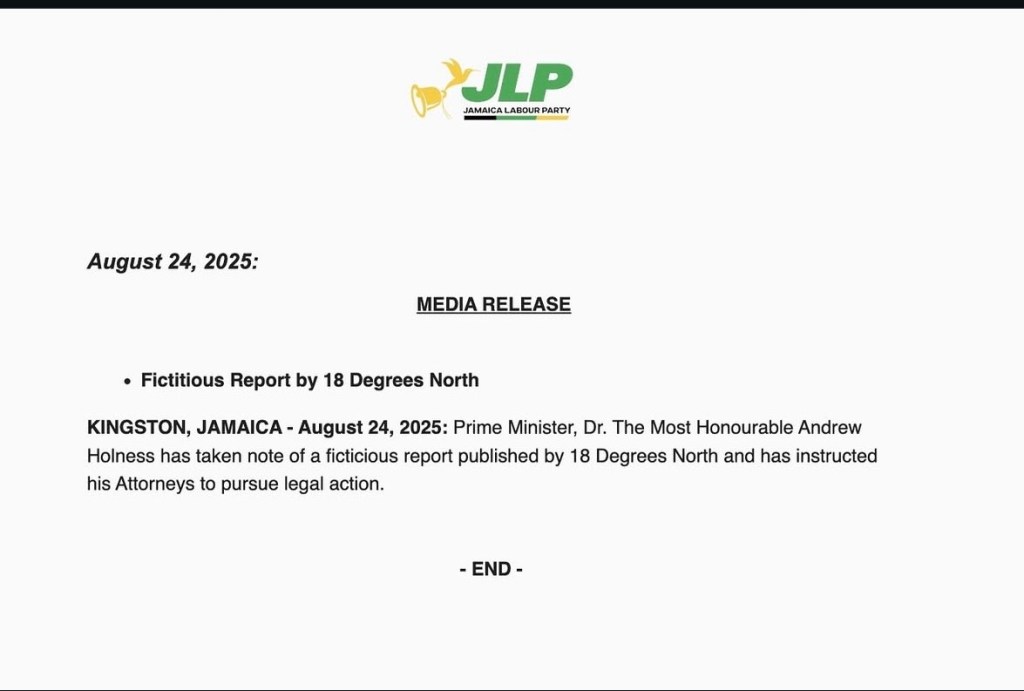
KINGSTON, Jamaica — The Jamaica Labour Party (JLP) has issued a media release and social media post declaring a report by the investigative journalism outlet 18 Degrees North to be “fictitious.” The statement, promoted through a paid partnership, came just hours after the report was published on the outlet’s subscriber-only platform.
The JLP’s release claims to be a response to a new report that alleges Prime Minister Andrew Holness may have benefited from the 1990s FINSAC fallout he has publicly criticized the Opposition for.
However, the report itself, titled “MP Andrew Holness Bought FINSAC’ed House in 2002 as…,” was published today, August 24, and is only available to paid subscribers of 18 Degrees North. The fact that the content could be accessed without a subscription indicates that, while designated as a paid article, it was publicly accessible to some readers. This may explain how the JLP was able to respond so quickly to a report not yet in the public domain.
The timing of the report’s release on a day of major political rallies has raised questions about whether it was politically motivated. The action by the JLP coincides with a mass rally being held in Sam Sharpe Square, while the People’s National Party (PNP) is holding a rally in Mandeville. This timing suggests a calculated move to address the allegations on a day of heightened political activity.
The JLP’s statement is set against the backdrop of an ongoing legal battle between the Prime Minister and the Integrity Commission (IC) over an unrelated investigation into his financial affairs, which he is challenging through a judicial review.
Prime Minister Holness has strongly rejected the IC’s separate findings, describing that report as “flawed.” The JLP’s action appears to extend this stance to the new claims made by 18 Degrees North, indicating that the party views them as a continuation of what it considers to be a politically motivated campaign.
The Daily Prism continues to seek comment from both the JLP and 18 Degrees North on the matter.
KINGSTON – The battle lines for Jamaica’s September 3rd general election are now officially drawn. A total of 189 candidates have been nominated to contest the election, with hopefuls from both major parties, as well as a range of smaller parties and independents, now formally in the race for the House of Representatives.
The nomination process, which concluded on Monday, confirmed a head-to-head battle in every one of the island’s 63 constituencies. The incumbent Jamaica Labour Party (JLP), led by Prime Minister Andrew Holness, and the opposition People’s National Party (PNP), led by Mark Golding, have each nominated a full slate of 63 candidates.
While the primary contest is between the two political giants, the field is more crowded than it appears. The Electoral Commission of Jamaica has confirmed the nomination of additional candidates, providing voters with a wider range of choices.
The Jamaica Progressive Party will be on the ballot with 47 candidates.
The United Independents’ Congress has nominated 7 candidates.
Additionally, 9 individuals will be contesting as independents.
The nomination process also covered the local government by-elections. A total of 6 candidates, all representing either the JLP or the PNP, were nominated to contest the four divisions in Denham Town, Chancery Hall, and Olympic Gardens.
With the formalities of Nomination Day now complete, the countdown to the September 3rd election begins in earnest. The candidates have their rosters set, and the stage is now ready for a final two-week push to win the hearts and minds of the Jamaican people.
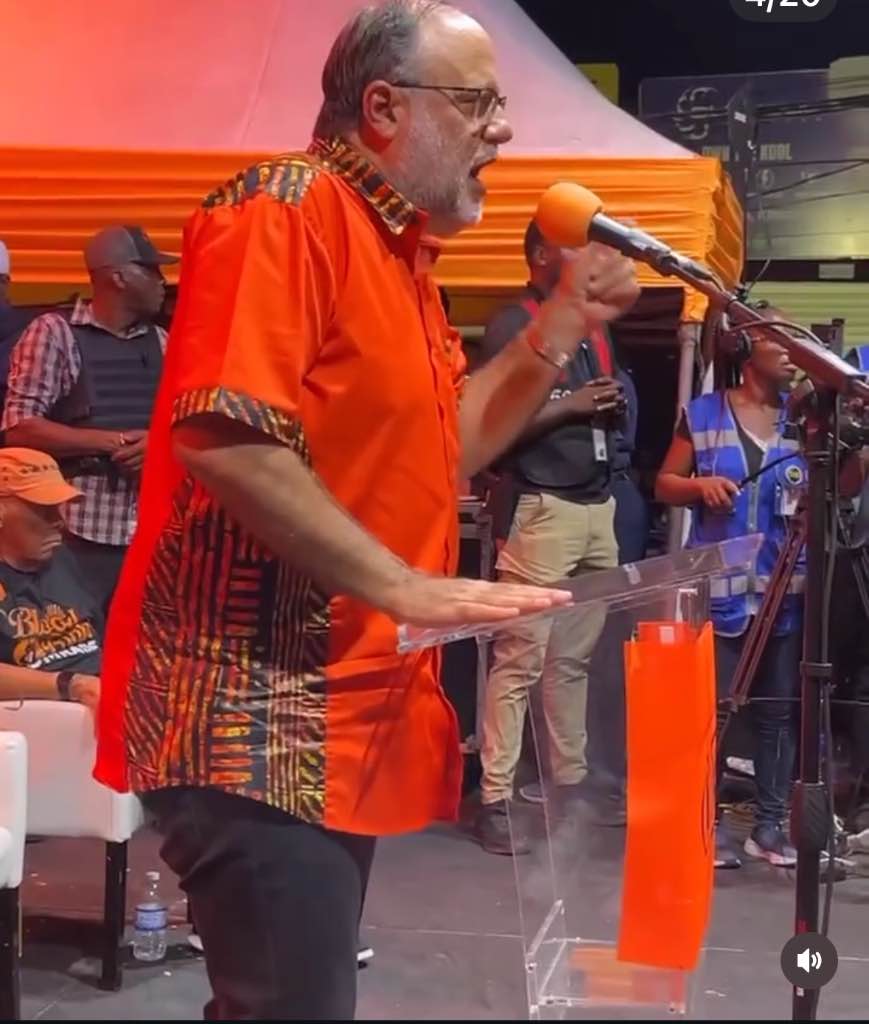
KINGSTON – In a calculated and comprehensive address, Opposition Leader Mark Golding took to the stage at a packed People’s National Party (PNP) meeting on August 16, 2025, to present a strategic vision designed to directly challenge the incumbent Jamaica Labour Party (JLP) ahead of the September 3rd general election. The speech moved beyond traditional rally rhetoric, serving as a de-facto unveiling of the PNP’s manifesto and setting the terms for the final weeks of the campaign.
Golding’s address was a strategic masterclass, systematically contrasting the PNP’s proposals with the JLP’s record and positioning the opposition as the party of fundamental reform. His most impactful points were not just promises, but a direct response to longstanding public concerns over governance, economic stability, and social equity.
Strategic Highlights of the Address
Golding dedicated a significant portion of his speech to a direct assault on the perceived failings of the current administration. His proposal to introduce impeachment procedures and modify the Integrity Commission Act was a clear attempt to capitalize on public frustration regarding political accountability. This point was designed to position the PNP as the party committed to systemic change and transparency, a narrative that has become central to their campaign.
On the economic front, Golding’s platform was built on a series of tangible benefits aimed at the working and middle classes. The announcement that overtime pay will be tax-free for those earning under $6 million per year and that all pension income will also be tax-free were designed to deliver immediate financial relief. These proposals represent a clear distinction from the JLP’s economic policies, which have been criticized for not benefiting all segments of the population equally.
Furthermore, Golding’s focus on social programs appeared to be a direct appeal to a broad demographic. The commitment to a $1 billion annual fund for people with disabilities and the “first in family” scholarship program are not just social welfare policies; they are strategic moves to build a coalition of support among marginalized and aspiring communities. The promise of building 50,000 affordable houses and introducing a “rent-to-own” program directly addresses the acute housing crisis, a topic of growing national debate.
The Road Ahead
The speech has successfully shifted the campaign’s focus from political showmanship to a head-to-head policy debate. The onus is now on the JLP to either defend its record or present a compelling counter-argument. For our readers at “Daily Prism,” the key questions moving forward will be: How will the incumbent government respond to these specific policy challenges? And can the PNP’s ambitious manifesto withstand public scrutiny in the final weeks before the vote?
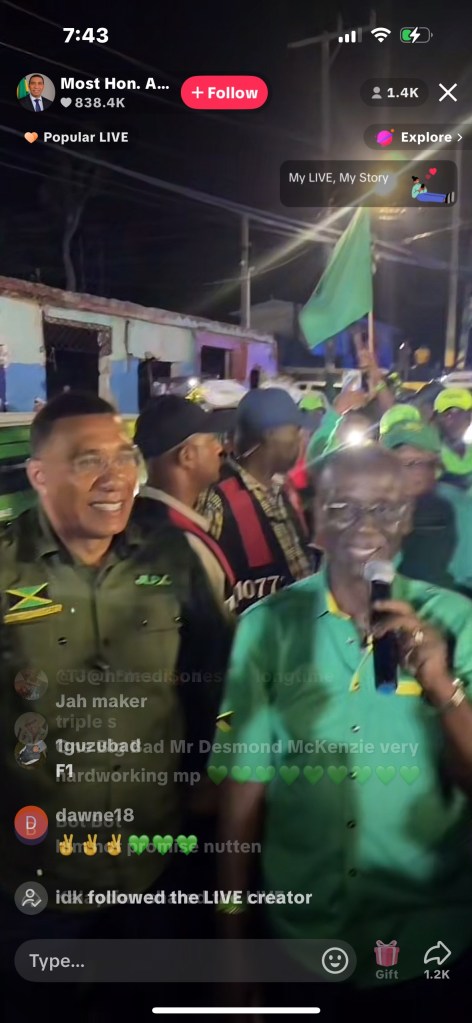
Prime Minister Andrew Holness recently embarked on a marathon live stream, broadcasting his journey through rural Manchester. As an independent journalist, I followed the event from a distance, documenting the real-time reactions of both the Prime Minister and the people through the lens of my screen. This was not a typical broadcast; it was a 12-hour-plus event that started in the morning, showing a level of direct engagement rarely seen from a head of state.
What I observed was a powerful display of a new type of political communication. In the comments section, viewers praised the Prime Minister’s approach. One user, “DR3A,” commented that they liked “that he drive around to campaign while seeing the place for himself on where can be develop.” Another, “WifeMomBoss,” said they loved “to see him interacting with Jamaicans from all over and especially children.” On the ground, the connection seemed just as strong. Viewers reported seeing people fanning him down, holding on to him, and stopping to take pictures with him and their families.
However, the event also highlighted the tension between this new digital engagement and the on-the-ground reality. Amidst the praise, other viewers used the platform to voice their concerns. One comment from “Child-of god” highlighted a specific issue, writing, “This road can’t fix quarry.” This showed a clear desire from the community to see real, tangible change beyond the live stream.
In the end, the live stream was more than just a political broadcast. It was a powerful display of a new type of political communication. As one person put it, “even if it’s a facade it looks good.” This suggests that in the new age of politics, the very act of showing up and connecting with the people, in a raw and personal way, may be just as important as the actions that follow. The mute button during his downtime—which people were asking about—was a reminder that even in this raw display of engagement, there are still layers of professional security and strategy at play.
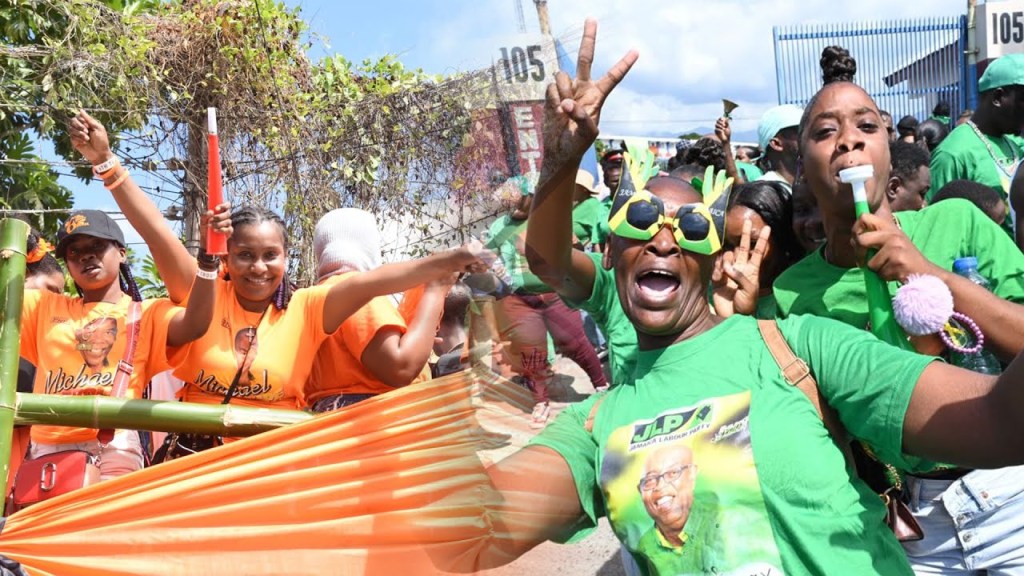
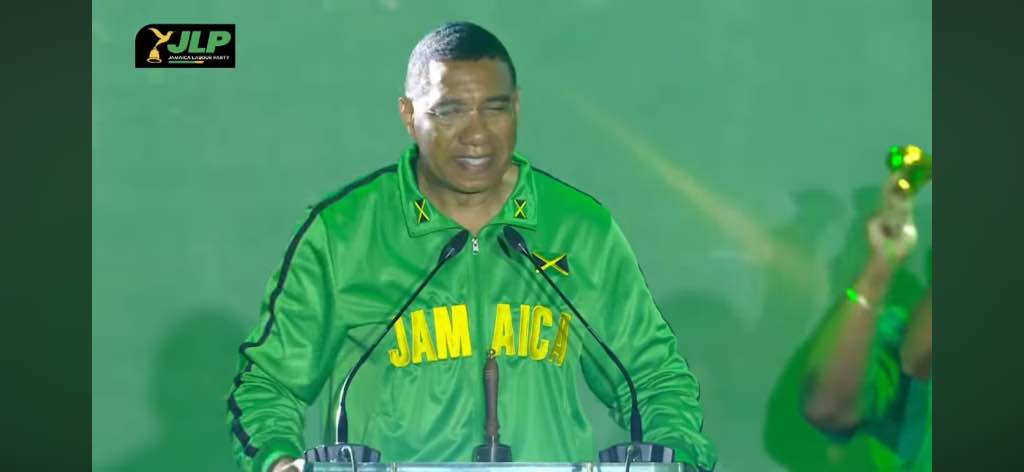
KINGSTON, Jamaica — Prime Minister Andrew Holness has officially called the next Jamaican general election, with the nation set to head to the polls on Wednesday, September 3, 2025. The announcement came during a massive Jamaica Labour Party (JLP) mass rally in Half-Way Tree, which drew thousands of supporters.
The Prime Minister also announced that Nomination Day will be held on Monday, August 18, 2025, kicking off a formal period of campaigning. The highly anticipated announcement concludes weeks of public speculation and sets the stage for a new political race.
During his speech, Prime Minister Holness reminded Jamaicans of the good work his administration has done, with a significant portion of the speeches at the rally focusing on the JLP’s accomplishments during their time in power. Other key themes of the campaign included national economic growth, addressing issues of national security, and a controversial proposal to develop a new city in the parish of St. Elizabeth.
With the election date now confirmed, both the JLP and the opposition People’s National Party (PNP) are expected to intensify their campaign activities. The nation will now focus on the upcoming political battle, as both parties make their final push to secure a majority in Parliament.

 The Daily Prism